Features
-
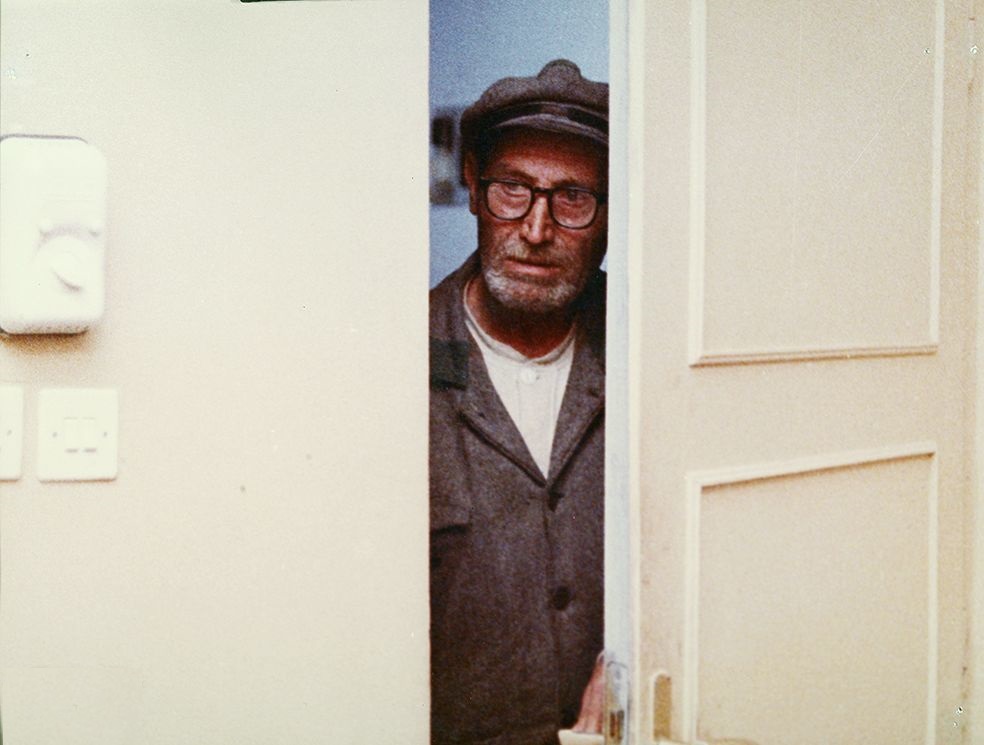
Two Reviews of One Film: Still Life, A Simple Event
Sohrab Shahid Saless made a decisive entry into the history of Iranian cinema in 1974 with his films A Simple Event (Yek ettefaq-e sade) and Still Life (Tabi‘at-e bijan). Today,…
-

Echoes: The House Is Black
Shamim Bahar’s 1963 review, published in the journal Andisheh va Honar (Thought and Art), offers a sharply critical contemporary assessment of The House Is Black (Khaneh Siah Ast, 1963), the landmark documentary by filmmaker and…
-

The Mirror (1997): Jafar Panahi’s First Political Film?
Today, Jafar Panahi is widely regarded as one of the world’s most important politically engaged filmmakers. That reputation has largely defined him since The Circle (Dayereh, 2000), his critique of the treatment…
-
Where to Watch Iranian Films: The Complete Guide
Many film lovers know the frustration. You come across an interesting Iranian film on social media or in a recommendation list and decide you want to watch it. But once…
-
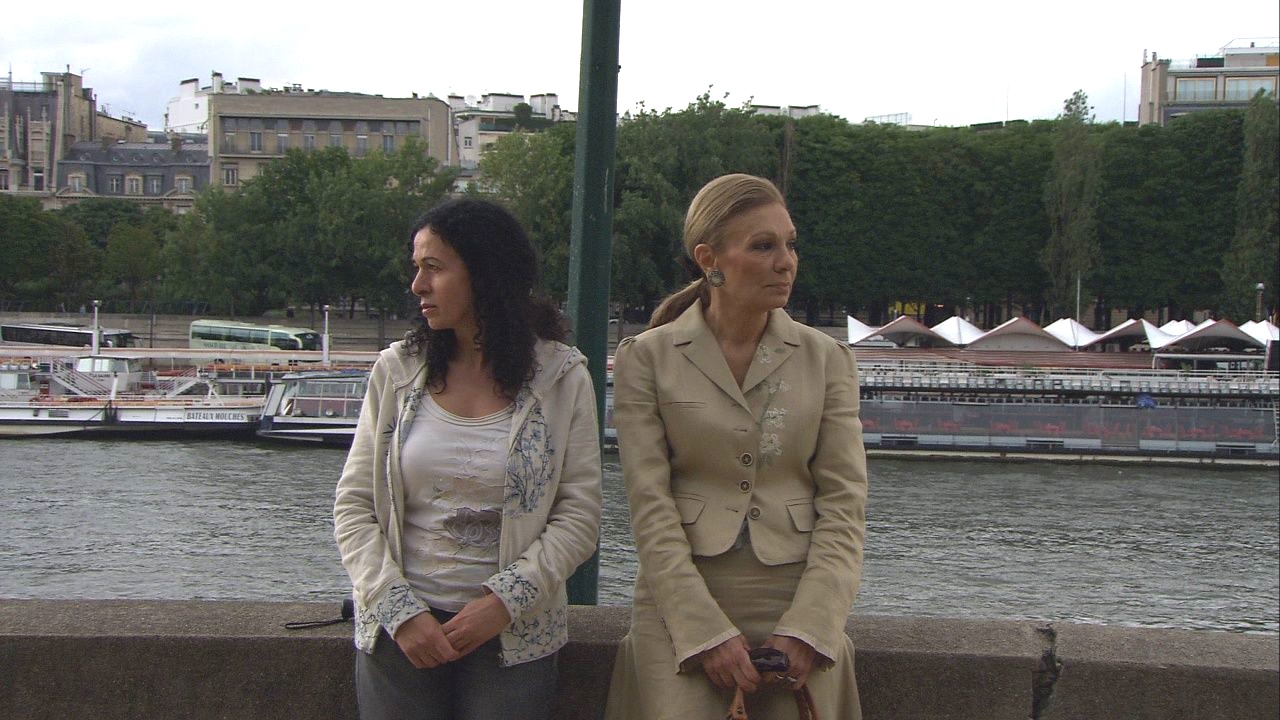
When Exile Stops Listening: Monarchist Imagination in Iranian Diaspora Audiovisual Culture
Creative freedom and the absence of censorship do not automatically produce nuanced or intellectually open works. Iranian exile cinema and Persian-language satellite television are far from ideologically uniform. Yet they…
-
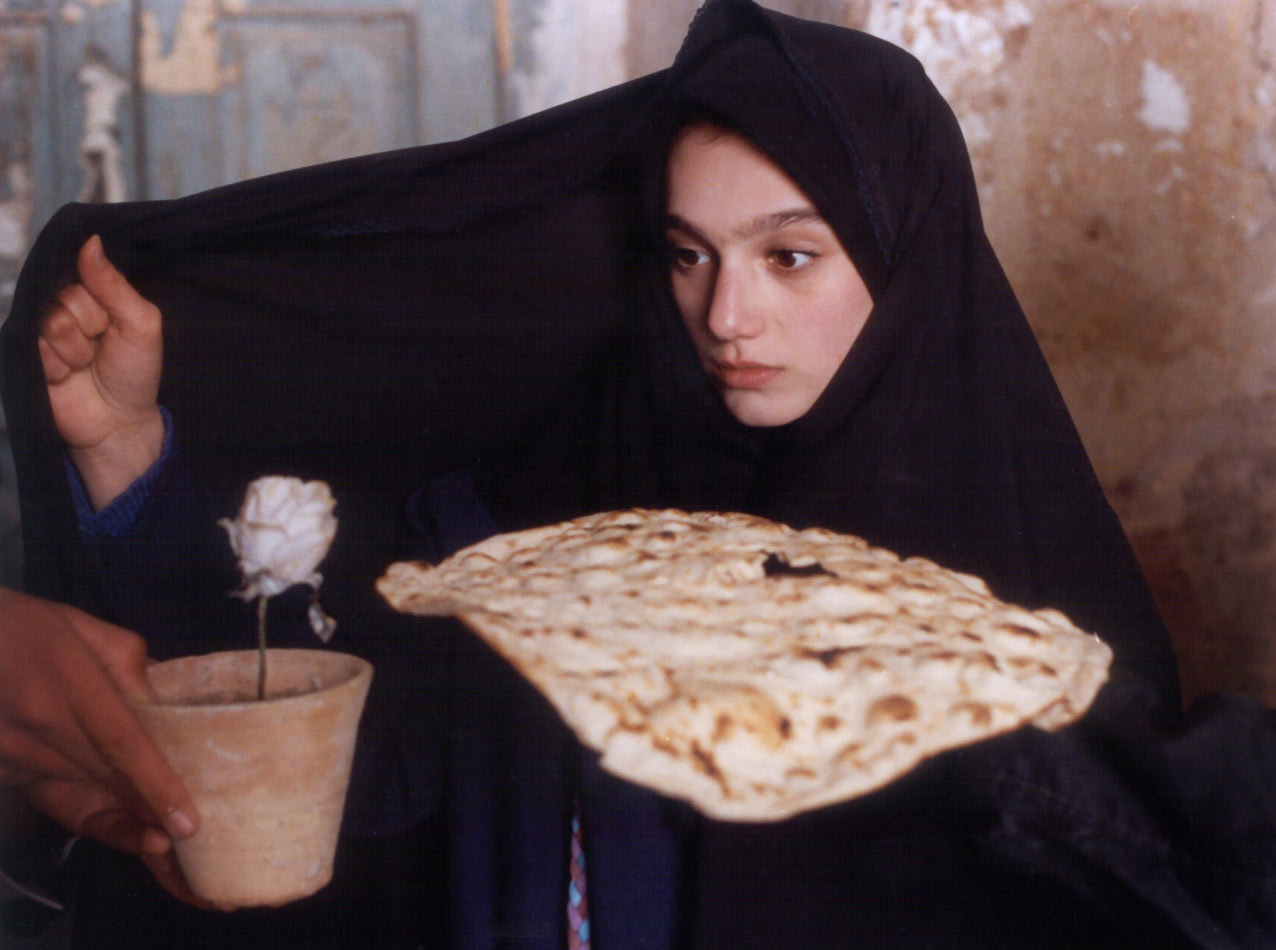
An Alternative History of the Iranian Revolution: Mohsen Makhmalbaf’s A Moment of Innocence (1996)
Can a violent revolution create a better world? That is the question Iranian filmmaker Mohsen Makhmalbaf poses in A Moment of Innocence (Noon-o-goldoon, 1996). Yet the film’s inquiry extends beyond politics and…
-
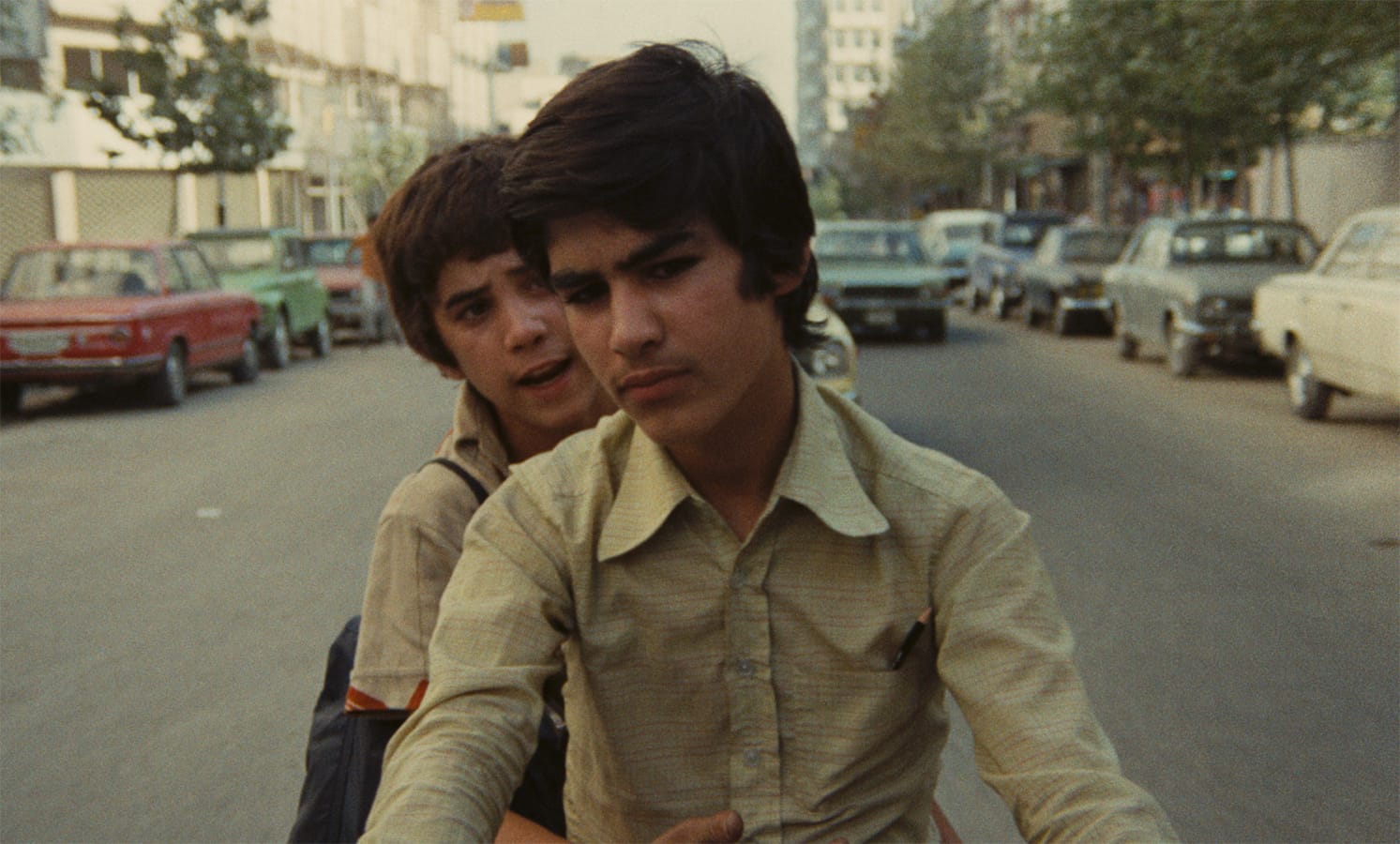
Abbas Kiarostami and the Crisis of Childhood in Pre-Revolutionary Iran
The rise of Iranian art cinema was closely tied to the children’s films Abbas Kiarostami made between the 1970s and the 1990s. Within Iranian filmmaking, he was one of the…
-
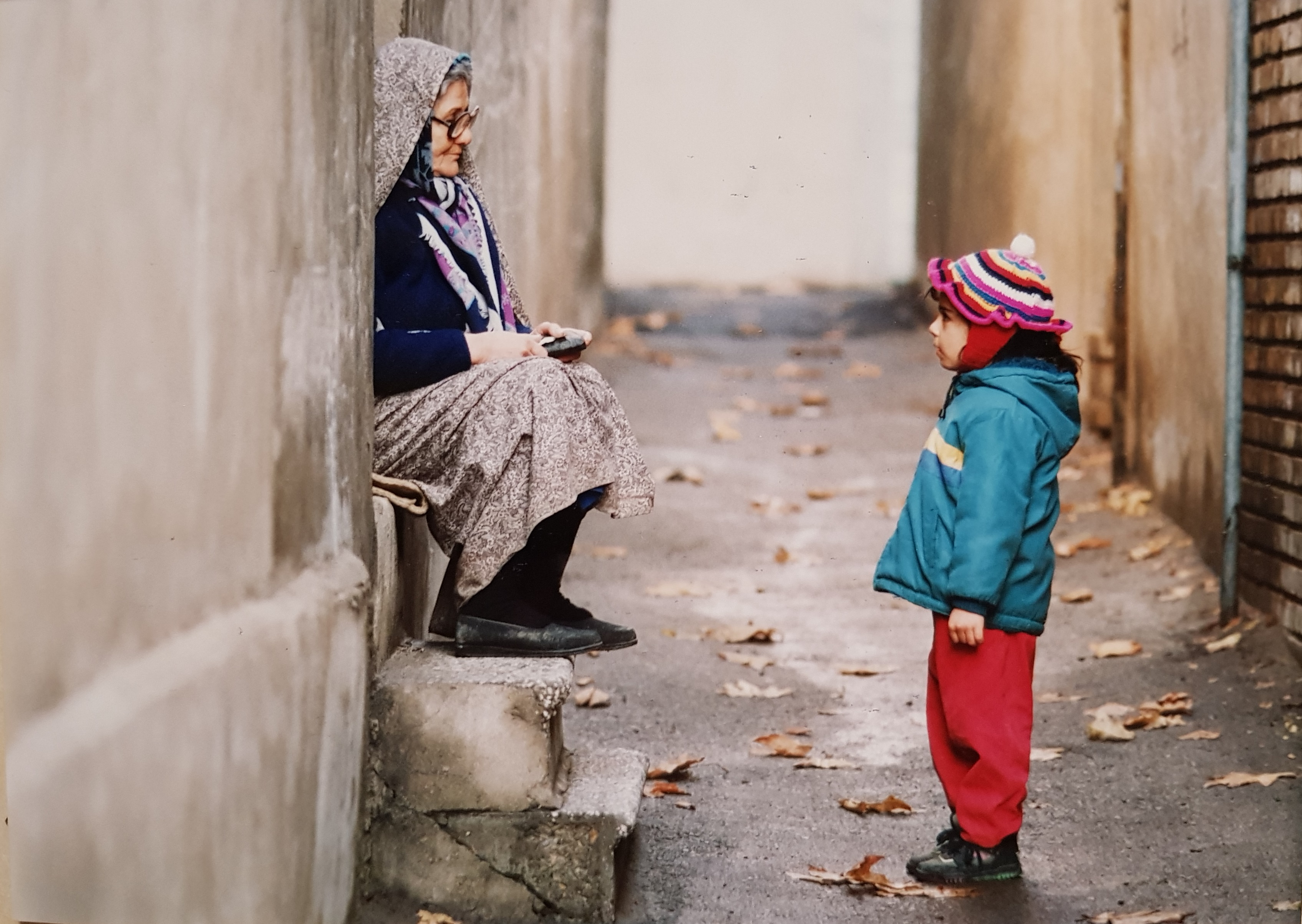
Mohammad Ali Talebi and the Transcendental Style in Iranian Cinema
This article examines Mohammad Ali Talebi’s cinema through everyday urban life and the beauty of nature, engaging with ideas by Paul Schrader. It analyzes The Boot (Chakmeh, 1992), Bag of…
-
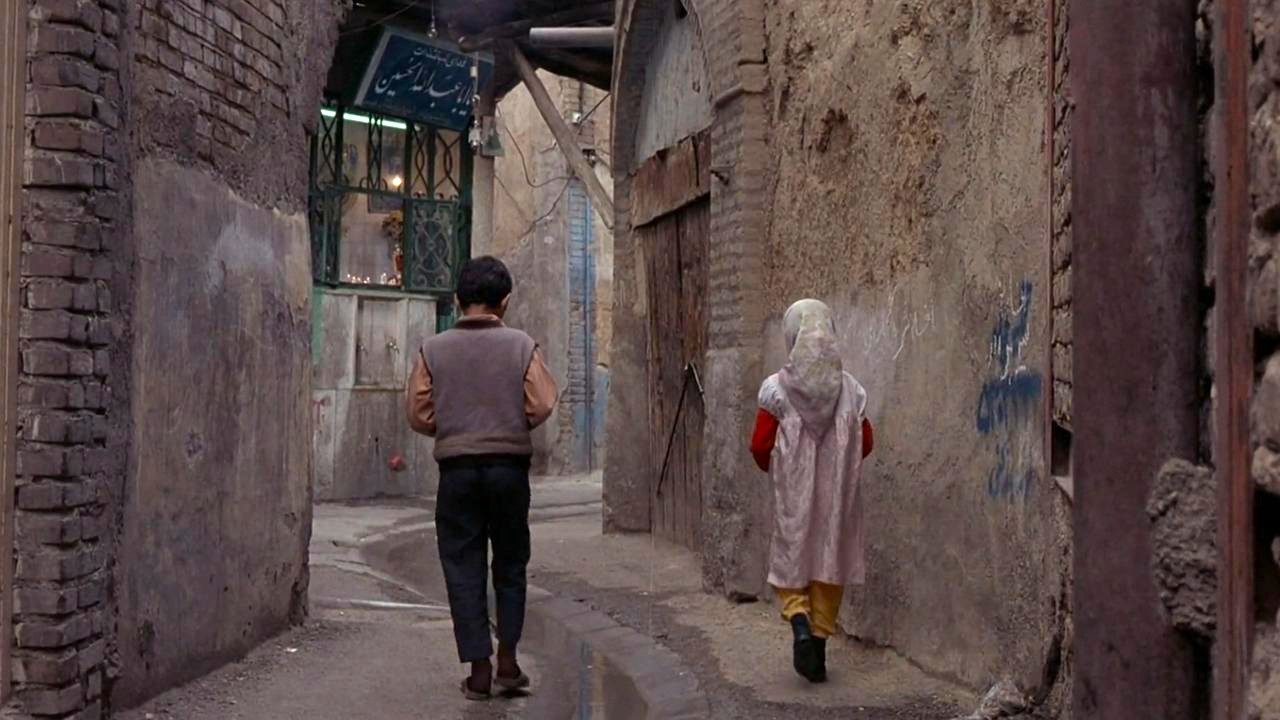
Children of Heaven (1997): Majid Majidi and the Spiritual Imagination of Iranian Cinema
Paul Schrader’s influential book Transcendental Style in Film: Ozu, Bresson, Dreyer remains one of the key texts on how cinema can function as an expression of the transcendent. Because the…
-
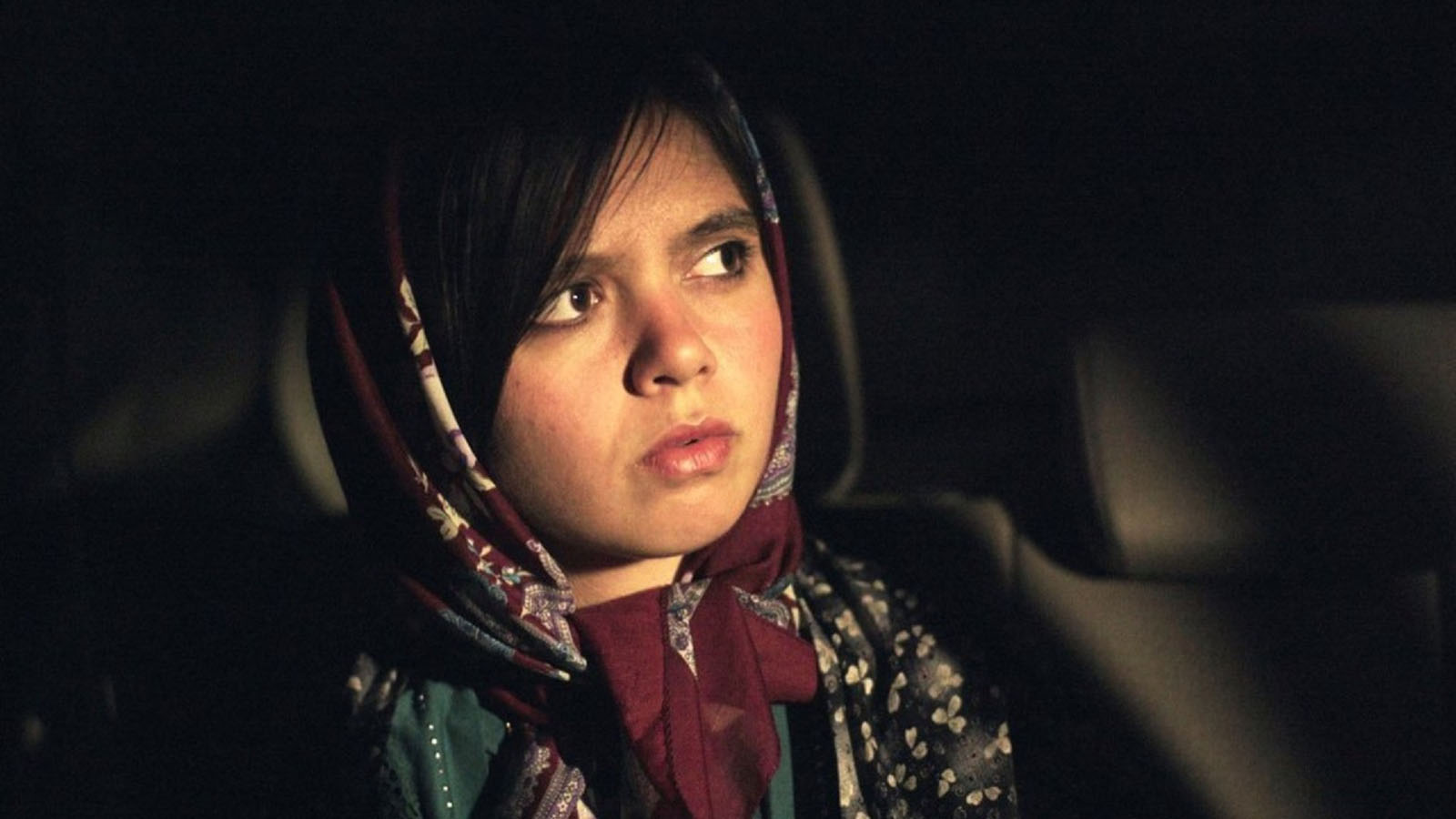
Jafar Panahi’s 3 Faces (2018): Contemplating the Struggle of Iranian Women
Jafar Panahi is not only a courageous activist but also an inventive artist and an open-minded thinker. His film 3 Faces (Se rokh, 2018) is a striking example of how the Iranian director…
-

Downpour (1972): Bahram Beyzaie’s Comedy of Love, Fear, and Power
Downpour (Ragbar, 1972) is a cornerstone of Iranian New Wave cinema before the 1979 Revolution. On the surface, it appears to be an experimental romantic tragicomedy, but beneath that lightness it…
-

The Cow (1969) by Dariush Mehrjui: Part 2 — Interpreting the Iranian New Wave Film
This is the second part of a two-part study examining the landmark Iranian New Wave movie The Cow (Gaav, 1969). In the first part, we approached Dariush Mehrjui’s film as a…