Video Essays
-
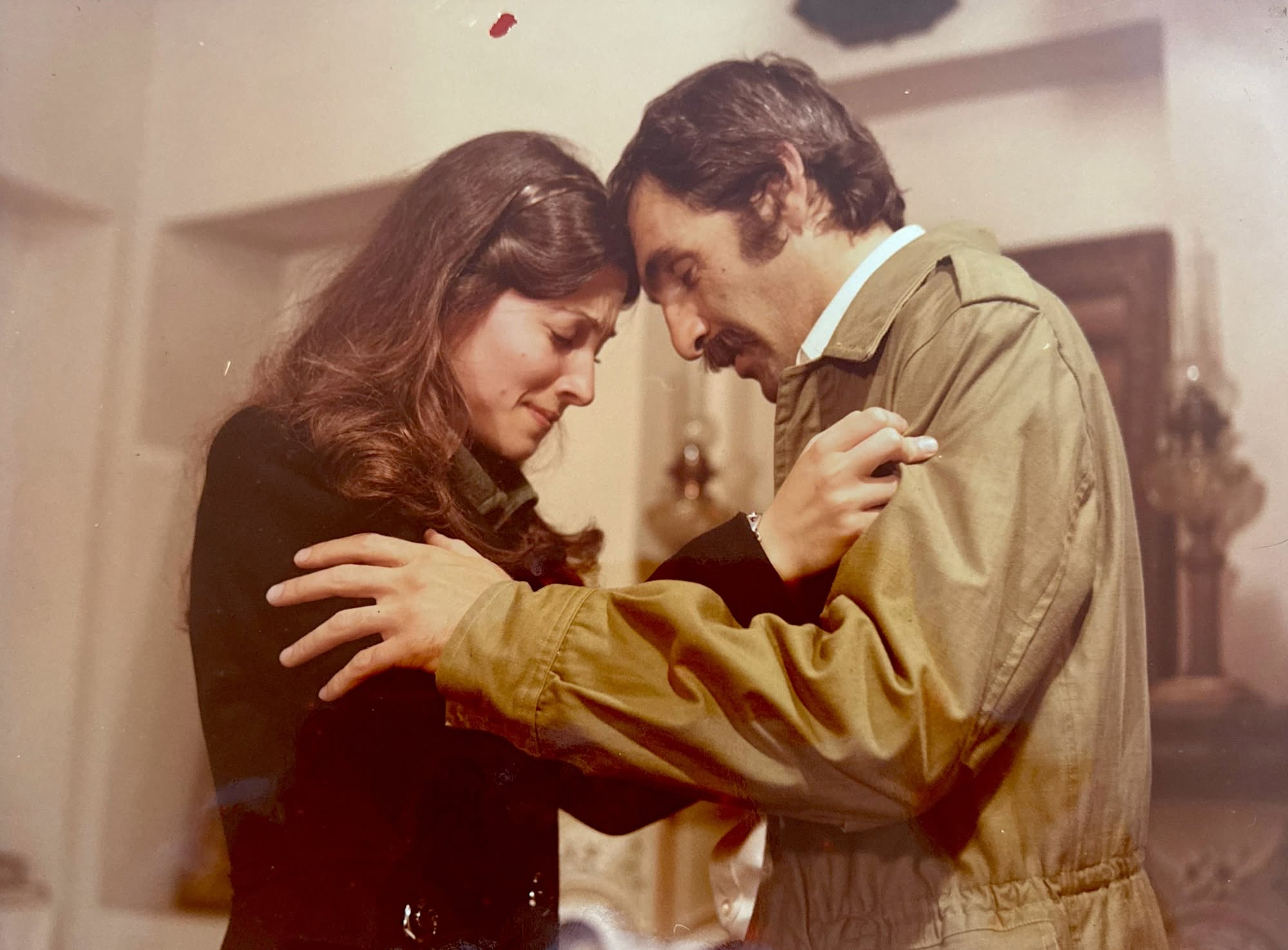
Three Layers: Dead End
Parviz Sayyad’s Dead End (Bonbast, 1977) is one of the films of Iran’s pre-revolutionary New Wave that deserves particular attention. Within a deceptively simple style, Sayyad manages to offer a remarkably complex portrait…
-
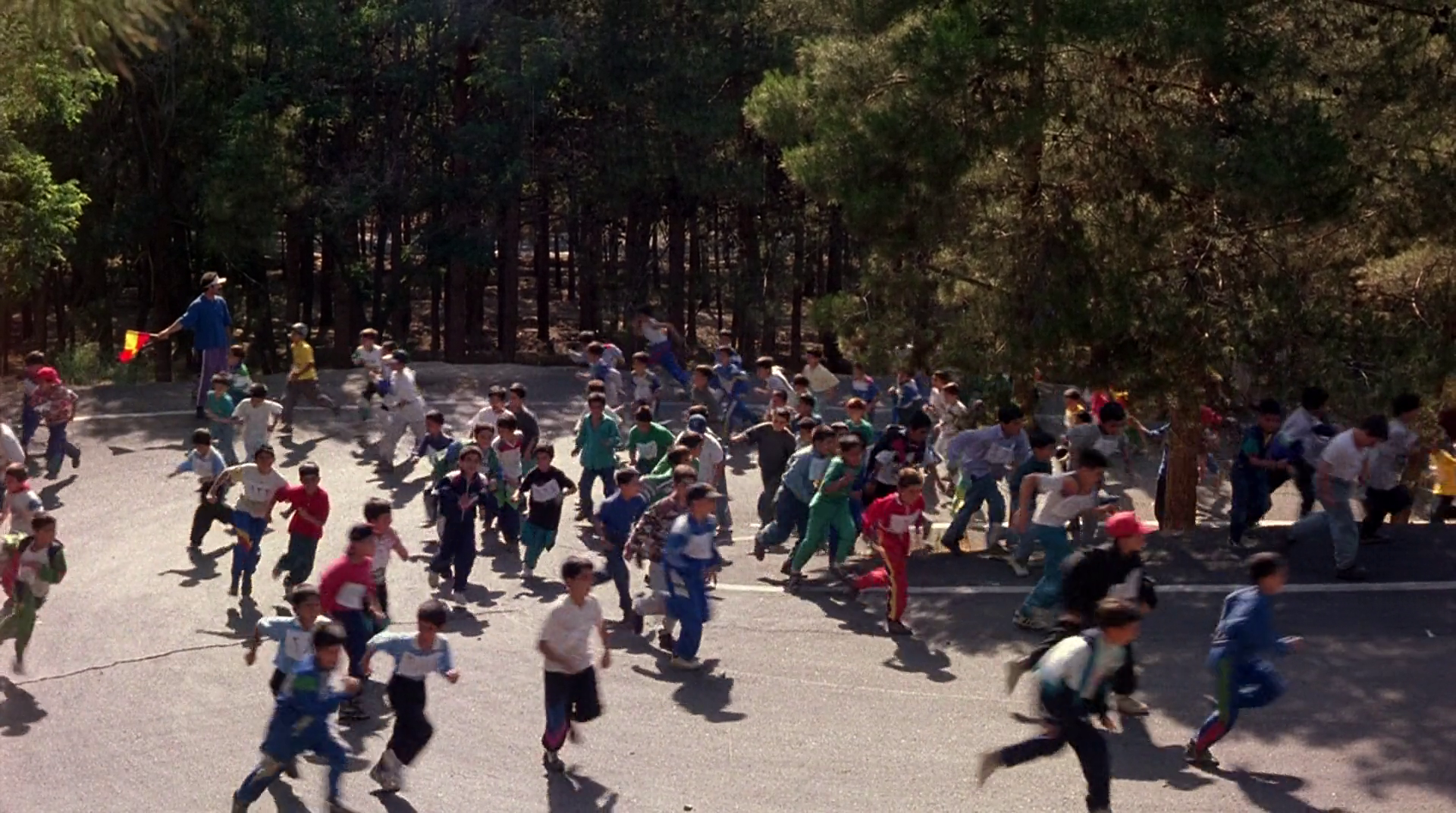
Three Layers: Children of Heaven
Children of Heaven (Bacheha-ye Aseman, 1997) is far more than a suspenseful children’s story about a lost pair of shoes. In Majid Majidi’s hands, the film becomes a richly layered work…
-
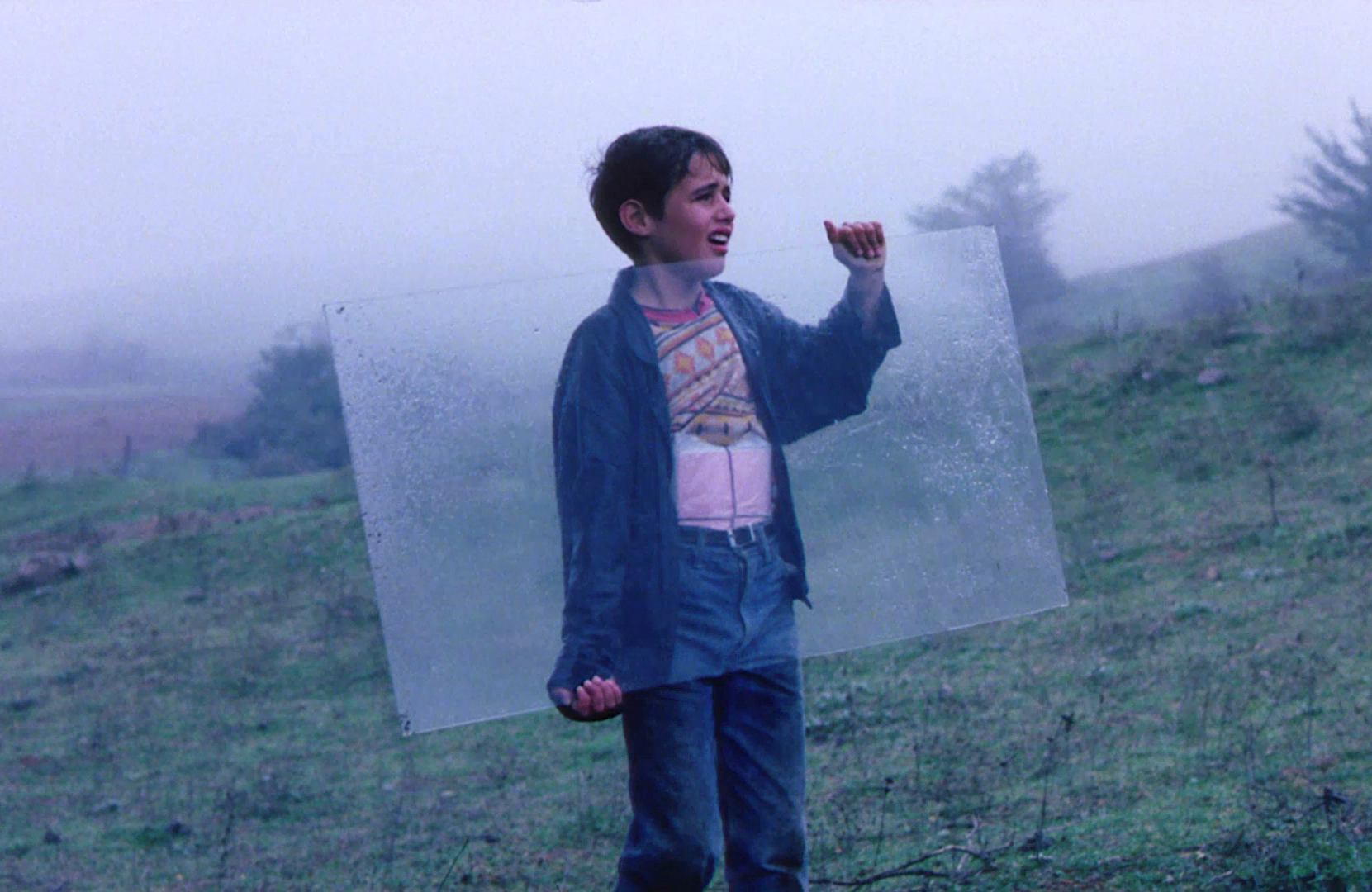
Three Layers: Willow and Wind
Willow and Wind (Bid o Bad, 1999) marks a subtle shift in Mohammad Ali Talebi’s filmmaking. The change in tone likely owes something to Abbas Kiarostami, who wrote the screenplay…
-
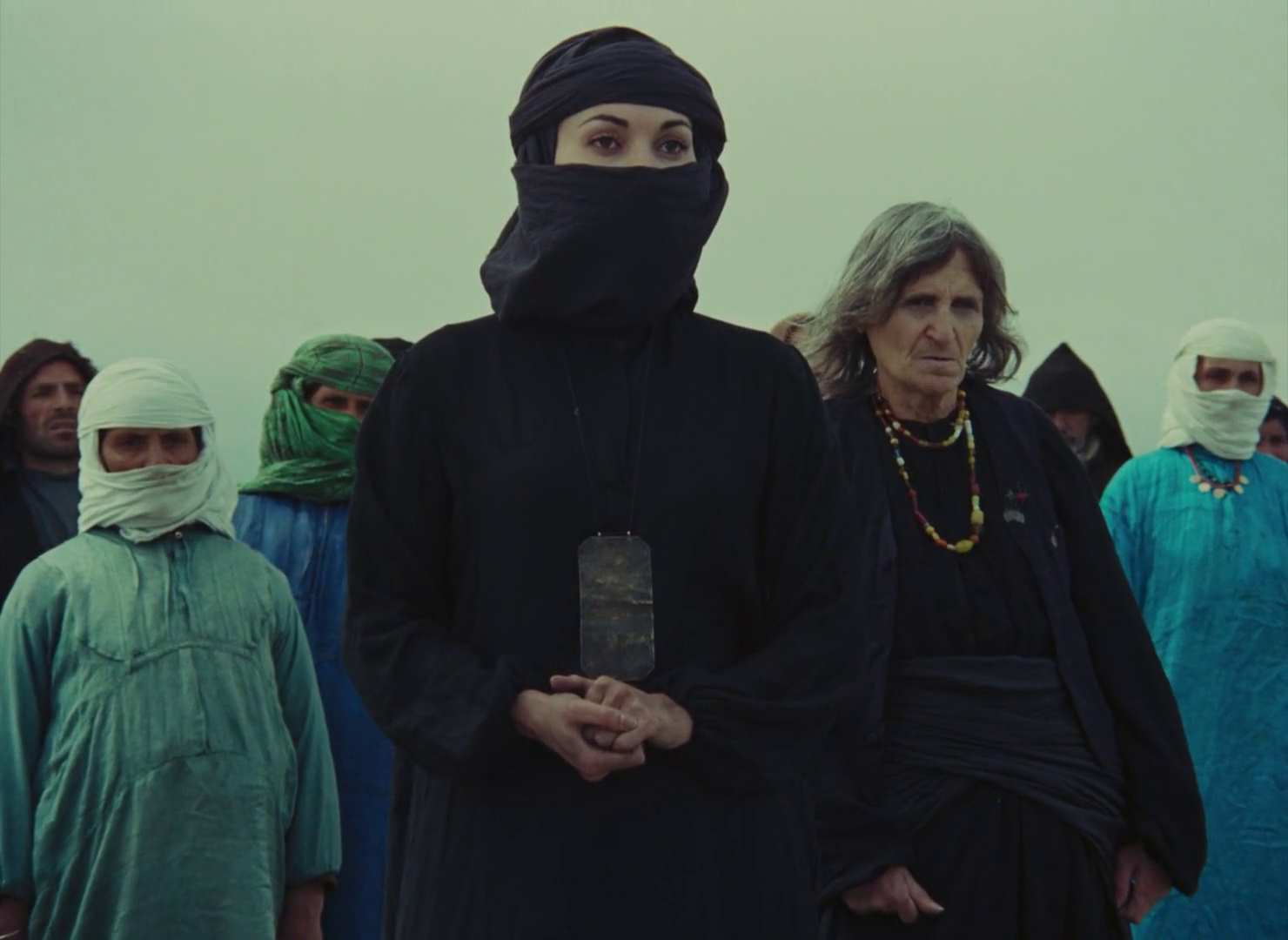
Iran Before the 1979 Revolution: Everyone Is Watching
Why is watching such a recurring motif in Iran’s pre-revolutionary New Wave cinema? Reconsider the films of Dariush Mehrjui, Parviz Sayyad, and Bahram Bezaie from a different perspective. This video…
-

Three Reasons: Where is the Friend’s House?
Abbas Kiarostami’s Where Is the Friend’s House? (1987) has fascinated me for years. This film, one of the most celebrated Kiarostami children’s films, tells a simple story—about a mix-up with…
-

Kiarostami’s Cinematic Rhymes
Abbas Kiarostami was a minimalist filmmaker who employed a deliberately limited range of stylistic devices in his work. These elements create a sense of harmonious order in his films, one…