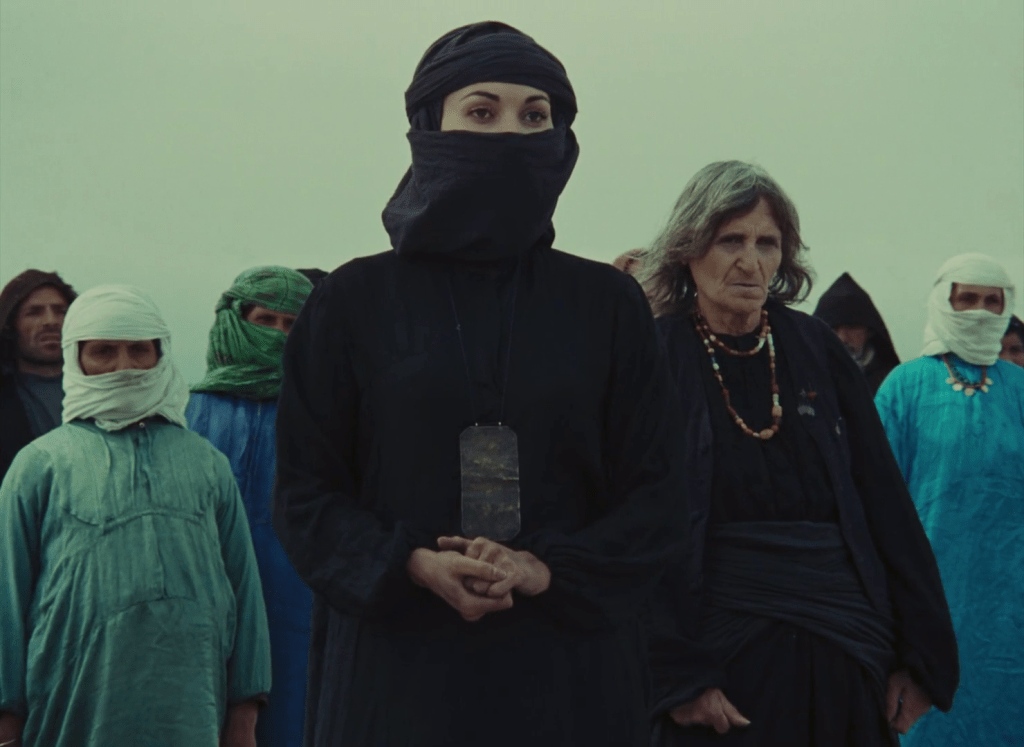
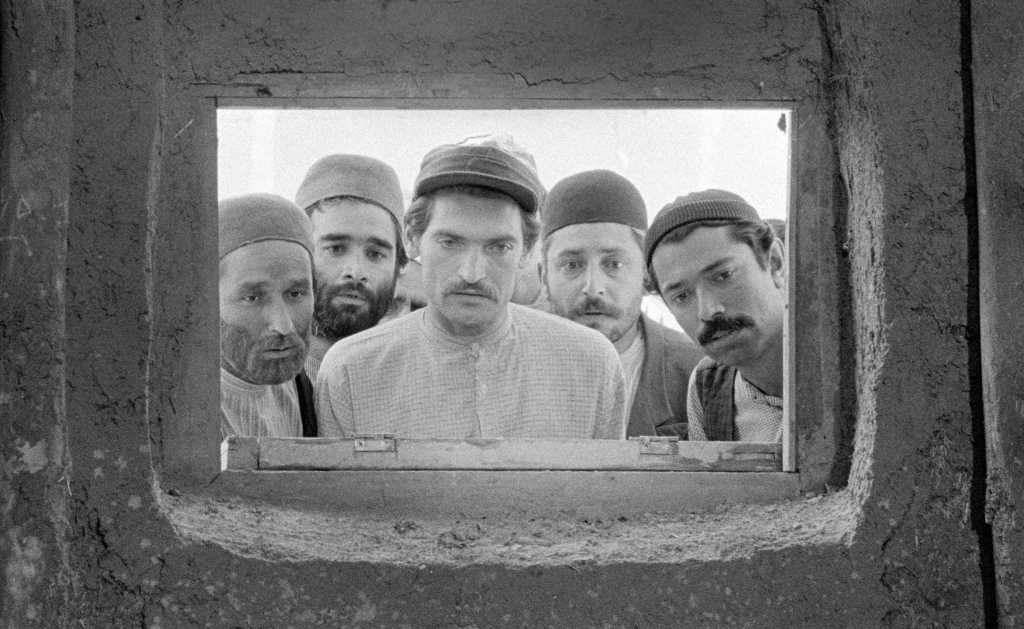
This video essay is, first and foremost, a tribute to a cinema shaped by the gaze — while also carrying the feeling of constantly being watched. As film scholar Hamid Naficy notes, the recurring motif of gazes in pre-revolutionary Iranian films often reflected an atmosphere of paranoia: fear of foreign powers, but also of the Shah’s secret police.
At the same time, the video essay is accompanied by music by Googoosh — an icon associated with urban upper-middle-class popular culture, in many ways far removed from the left-leaning filmmakers of the New Wave. Yet this encounter creates something more interesting than a simple contradiction.
Perhaps it is not a contradiction at all, but a layering of meanings. Iranian culture — from Hafez to Asghar Farhadi — has long been shaped by double coding, ambiguity, and meanings hidden beneath the surface. This video essay tries to work in a similar way. Rather than offering fixed conclusions, it aims to provoke interpretation, raise questions, and invite viewers to look beneath the surface.
If you found this video essay valuable, please consider supporting this blog. Every share or even a small donation helps keep it going.



 Iran Zamin Cinema
Leave a comment